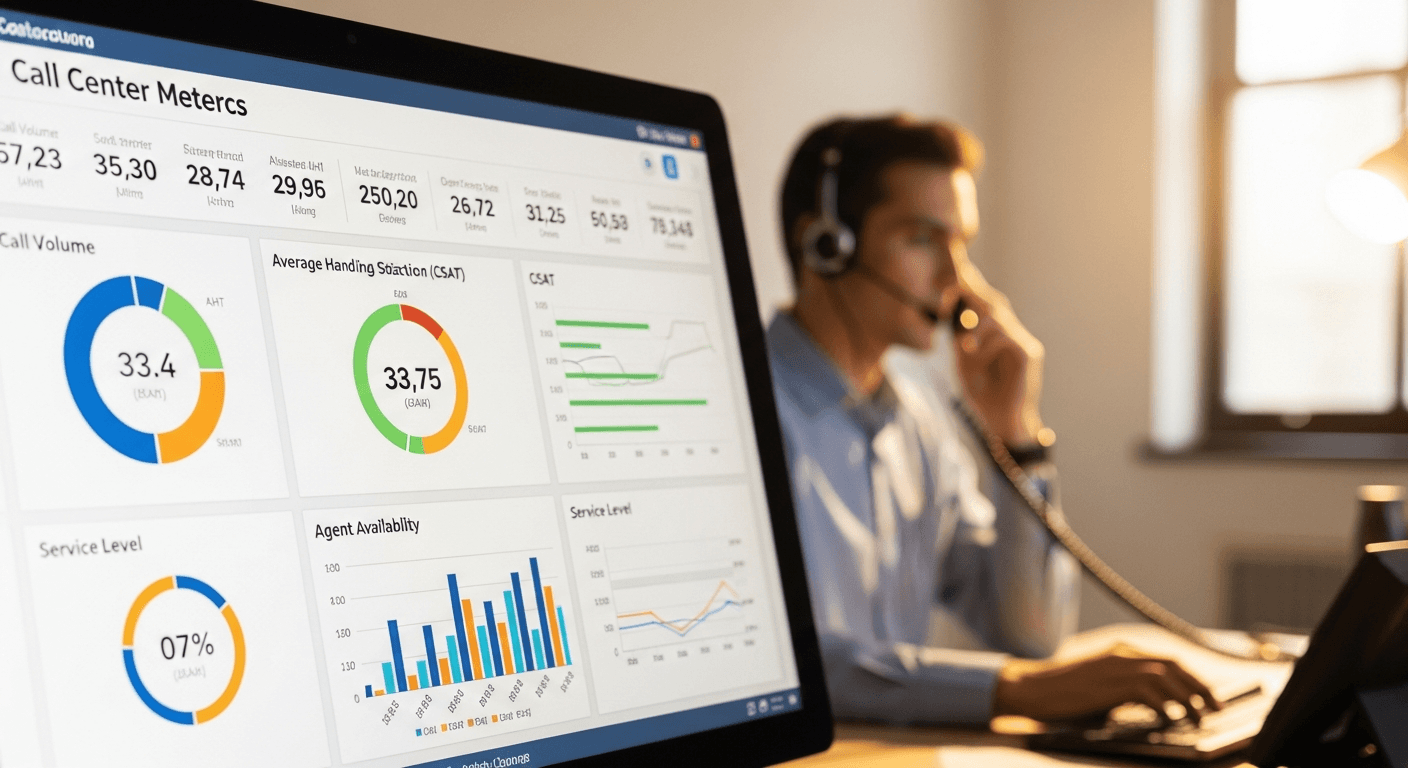
What can USGS earthquake reporting explain about sudden phone demand for property and restoration services? The United States Geological Survey (USGS) plays a critical role in monitoring and reporting seismic activity across the nation, providing near real-time information about earthquakes. This information, disseminated through various channels, immediately informs the public and businesses about seismic events. For property owners and businesses specializing in property assessment, repair, and restoration, such reporting is not merely informational; it often serves as a precursor to an imminent surge in demand for their services. Understanding this correlation is vital for operations that manage inbound communications, such as answering services, to adequately prepare for and respond to unpredictable call volume spikes.
Review Methodology and Evidence Scope
This research article employs a qualitative review methodology focused on synthesizing information from primary federal sources pertaining to earthquake monitoring, disaster preparedness, and post-event recovery. The evidence scope is limited to publicly available information from the USGS, the Federal Emergency Management Agency (FEMA), and Ready.gov, which collectively represent authoritative voices on seismic events and disaster response in the United States. The objective is to establish a logical connection between the occurrence and reporting of an earthquake by the USGS and the subsequent operational challenges faced by property and restoration service providers, particularly concerning sudden increases in inbound phone inquiries.
The review focuses on how official reporting mechanisms, such as immediate earthquake alerts and detailed event pages, translate into real-world impacts on service demand. We examine the typical needs of property owners after a seismic event, as outlined by FEMA and Ready.gov, and correlate these needs with the types of service inquiries restoration businesses would receive. Operational analysis will then bridge these findings to the role and capabilities of professional answering services in managing such demand surges effectively, without making specific claims about any particular provider. This analysis specifically avoids statistical predictions or quantitative correlations due to the variability inherent in earthquake severity, location, and population density, focusing instead on the qualitative relationship and operational implications.
The Connection Between USGS Reporting and Service Demand
The USGS is the primary scientific agency responsible for monitoring earthquakes in the United States. Its Earthquake Hazards Program provides crucial data, maps, and information about seismic events, including their location, magnitude, and potential impact. The USGS website (https://www.usgs.gov/programs/earthquake-hazards/earthquakes) serves as a central hub for this information, often updated within minutes of an event. This immediate reporting has several implications for property and restoration services.
Sourced Fact: A significant advancement in earthquake reporting is the ShakeAlert® Earthquake Early Warning System, operational in California, Oregon, and Washington. This system detects significant earthquakes and sends alerts to people and automated systems before shaking arrives, providing precious seconds for protective actions. (https://www.usgs.gov/programs/earthquake-hazards/shakealert)
Operational Analysis: Even a brief warning from systems like ShakeAlert, or the immediate public reporting of an earthquake, can trigger a rapid sequence of events for property owners. While the primary goal of such alerts is safety, they also prompt immediate concern about property integrity. Homeowners and business owners in affected areas, upon receiving an alert or feeling seismic activity, will often immediately assess their property for visible damage. This initial assessment, whether confirming damage or seeking reassurance, frequently culminates in a phone call to a property assessment, repair, or restoration service. The suddenness of an earthquake means this response is concentrated in a very short timeframe, leading to an instantaneous spike in call volume.
Sourced Fact: FEMA provides extensive guidance on disaster assistance, including resources for homeowners and renters who have sustained damage from natural disasters like earthquakes. Their portal (https://www.fema.gov/disaster-assistance) guides individuals on how to apply for assistance and what steps to take after an event.
Operational Analysis: The types of damage sustained from earthquakes can vary widely, from minor cosmetic cracks to significant structural failures, plumbing ruptures, and electrical issues. Property owners, often overwhelmed and unsure of the extent of damage or the appropriate next steps, will seek professional guidance. This translates into calls for:
- Emergency board-up services
- Roofing inspections and repairs
- Plumbing leak detection and repair
- Structural engineering assessments
- Water damage remediation
- General contracting for repairs
- Debris removal
Each of these inquiries represents a potential service call that requires prompt, empathetic, and accurate handling. The immediacy of USGS reporting, coupled with the urgent nature of potential property damage, creates a unique challenge for businesses that rely on inbound calls.
Sourced Fact: Ready.gov, a national public service announcement campaign designed to educate and empower Americans to prepare for and respond to emergencies, offers comprehensive advice on what to do before, during, and after an earthquake. This includes checking for damage to your home, turning off utilities if necessary, and contacting professionals for repairs. (https://www.ready.gov/earthquakes)
Operational Analysis: The guidance from Ready.gov directly encourages property owners to inspect for damage and seek professional help. This reinforces the expectation that a significant number of calls to property and restoration services will follow an earthquake. Many of these calls will be from distressed individuals needing immediate assistance or clear next steps. The suddenness of the event means that a business's regular, unaugmented phone lines can quickly become overwhelmed, leading to missed calls, frustrated customers, and lost business opportunities during a period of high demand.
Operational Considerations for Answering Services
For property and restoration businesses, the immediate aftermath of an earthquake can strain normal communication workflows. An answering service may be one part of a client-designed overflow plan.
Volume Management: Answering services are equipped to handle sudden and substantial surges in call volume that exceed a client's typical capacity. By diverting calls to a trained team, property and restoration businesses can ensure that every inbound inquiry is answered promptly, preventing calls from going to voicemail or encountering busy signals. This ensures that potential clients, often under stress, feel heard and supported from the first point of contact.
Intake and Prioritization: A key capability of answering services is the structured intake of information. Through client-approved scripts, agents can gather essential details such as the caller's name, contact information, location, a brief description of the damage, and the urgency of the situation. This structured intake allows for immediate prioritization of calls. For example, a call reporting a major water leak or structural instability would be escalated differently than an inquiry about minor cosmetic damage.
Client-Approved Escalation Paths: Answering services operate under clear, client-approved escalation protocols. For earthquake-related calls, these protocols would define when and how to contact on-call technicians, supervisors, or emergency response teams for the restoration business. It is crucial to emphasize that answering service agents do not assess, diagnose, authenticate, or dispatch emergency services. Their role is to follow the pre-defined client instructions to route the call or message to the appropriate personnel within the client's organization. In genuine emergencies where there is an immediate threat to life or safety, callers should always be directed to call 911 or the relevant emergency authority where applicable. The answering service's primary function is to serve as a communication bridge, ensuring no critical call is missed and that information is accurately relayed according to established procedures.
Information Dissemination: Beyond direct service inquiries, callers may have questions about insurance claims, local disaster relief efforts, or general advice. While answering service agents cannot provide legal, medical, safety, or technical advice, they can be equipped with client-provided FAQs or directed to refer callers to official resources such as FEMA's disaster assistance website or local emergency services, maintaining a professional and helpful front.
Maintaining Business Continuity: Earthquakes can disrupt local infrastructure, potentially affecting a business's physical location or internal phone systems. An answering service, operating remotely from potentially unaffected areas, provides redundancy and ensures that communication lines remain open, thereby supporting business continuity during a crisis.
Limitations
This research is based on a qualitative review of publicly available information and operational analysis. It does not incorporate empirical data on specific call volume increases following actual earthquake events, nor does it quantify the direct financial impact of such surges. The correlation drawn between USGS reporting and increased call demand is logical and based on human behavior in crisis, but is not statistically proven within this scope. The effectiveness of answering services in managing these surges is discussed conceptually, based on their established operational models, rather than through specific case studies or performance metrics. Furthermore, the severity and location of earthquakes greatly influence their impact on property damage and subsequent call demand, factors not exhaustively analyzed here.
Evidence-led conclusion
The timely and accurate reporting of earthquakes by the USGS serves as a critical indicator for property and restoration service providers regarding impending surges in phone demand. The immediacy of seismic events, combined with the natural human response to assess and address potential property damage, creates a concentrated influx of inbound calls. This conclusion is supported by the direct implications of USGS earthquake monitoring, including early warning systems like ShakeAlert, and the post-event guidance provided by FEMA and Ready.gov, which encourages property owners to seek professional assistance after an earthquake.
From an operational standpoint, this predictable yet sudden surge underscores the vital role of professional answering services. By offering robust call volume management, structured intake processes, and adherence to client-approved escalation paths, these services enable property and restoration businesses to effectively manage high-stress communication. This ensures that every inquiry is professionally handled, information is accurately captured, and appropriate actions are taken according to client protocols, without agents assessing damage or dispatching emergency services. Ultimately, understanding the link between USGS earthquake reporting and call demand allows for proactive communication strategies, bolstering resilience for businesses critical to post-disaster recovery efforts.